Trends28 July 20267 min read
Sustainable resort design confronts the gaming floor energy load
Casino floors are unusually energy-dense environments: continuous lighting, tight climate control and always-on gaming and monitoring systems. Sustainability programmes at new resorts are beginning to treat that load as a primary design constraint rather than an operational afterthought.
By Marlowe Grant · Gold Coast · Global
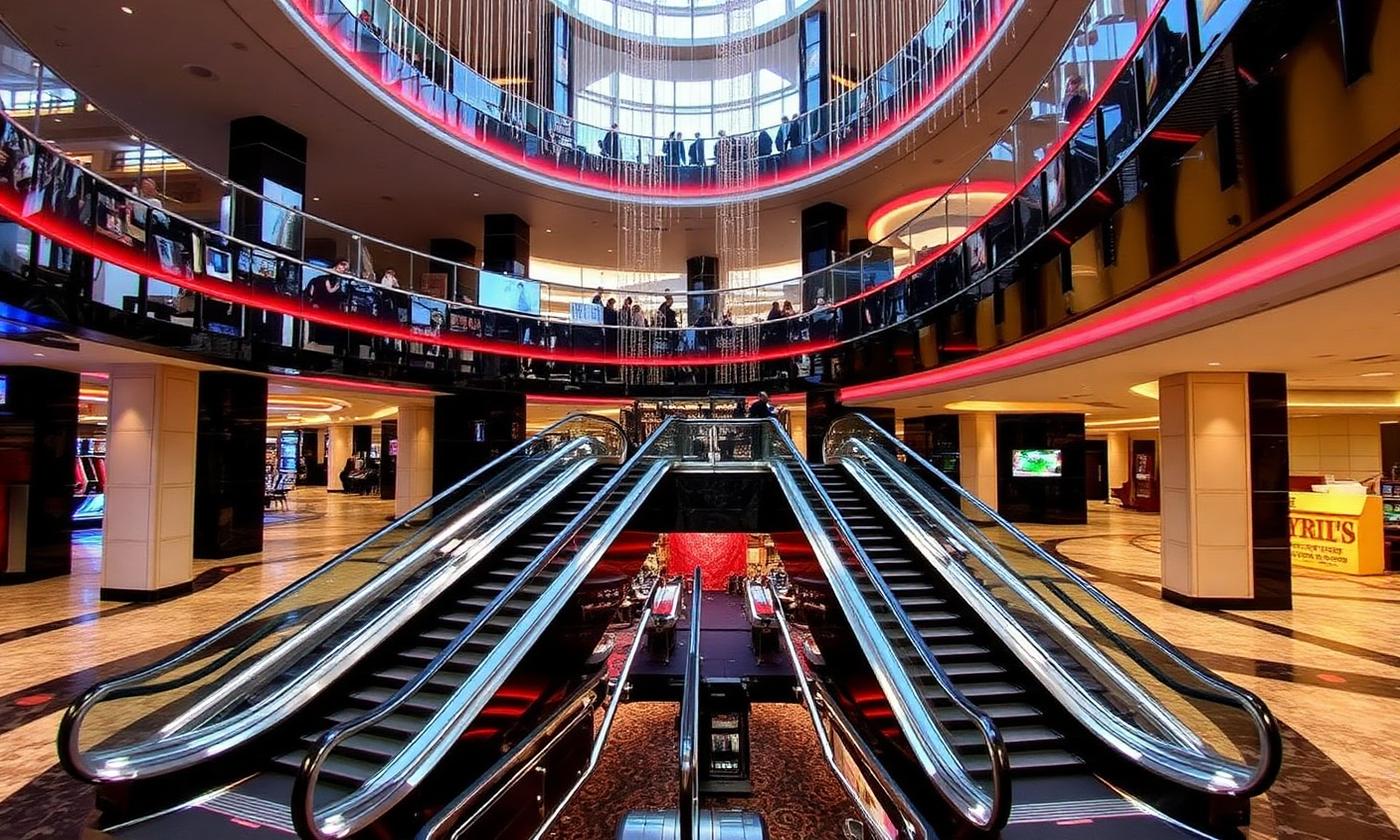
- Continuous operation limits the value of standard efficiency measures.
- Lighting and HVAC dominate the load in most venue audits.
- System consolidation reduces both energy and maintenance overhead.
- Reporting expectations are rising in several markets.
The always-on problem
Efficiency strategies that depend on downtime translate poorly to venues that never close. Designers are instead focusing on envelope performance, zoning and equipment consolidation.
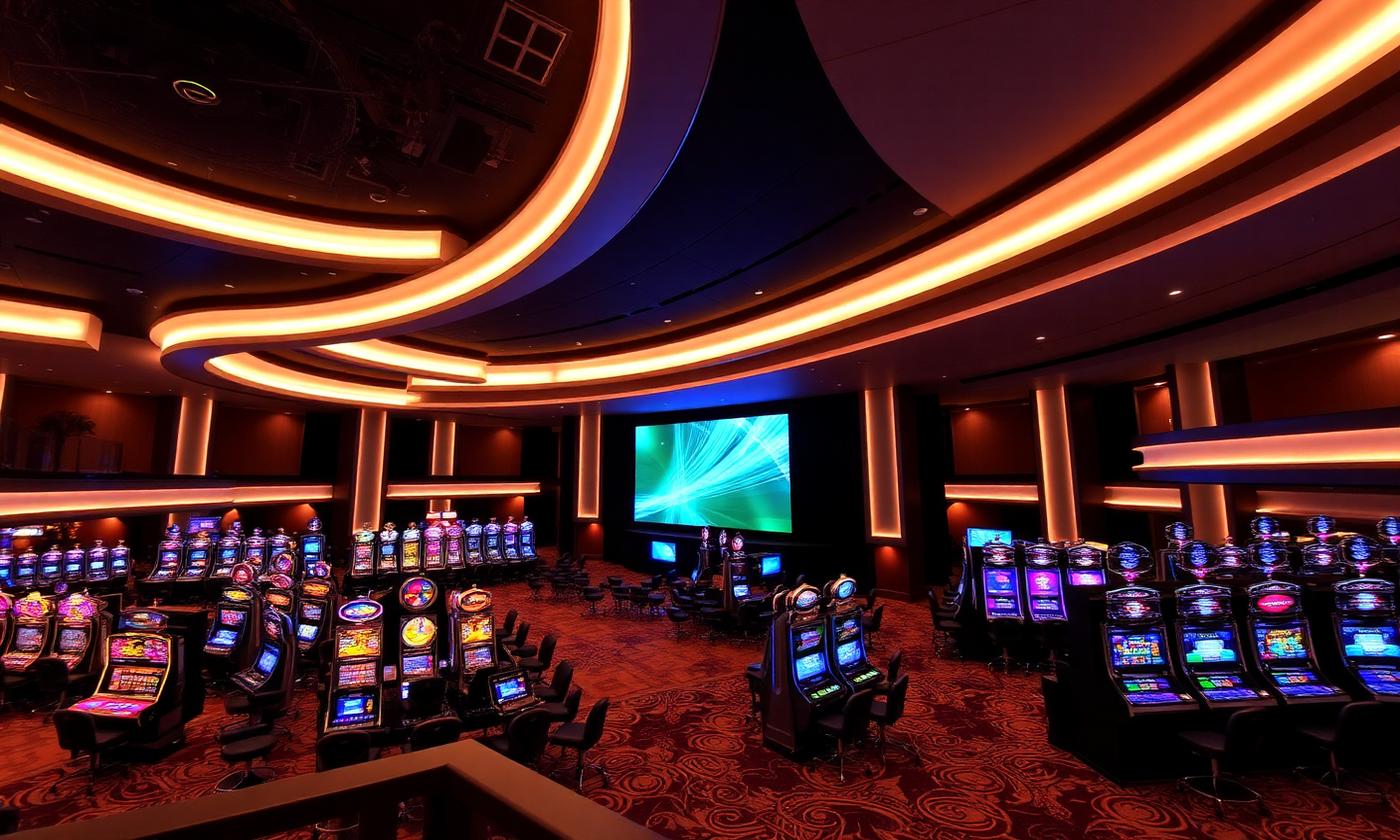
Consolidation as an efficiency lever
Replacing several legacy servers and monitoring stacks with a single consolidated platform frequently delivers a larger measurable saving than lighting retrofits alone.
Related stories
 Trends· GlobalThe developments redefining the global casino floorFloor design, cashless architecture and machine-level data are converging faster than most venue refurbishment cycles can absorb. Orvenista maps the shift across four continents.11 Aug 2026 9 min
 Equipment· GlobalAurex Gaming unveils Vantara curved cabinet for premium floor zonesThe illustrative manufacturer's new dual-screen cabinet targets premium banks, with a shallower footprint and a service door redesigned for faster on-floor maintenance.10 Aug 2026 6 min
 Technology· GlobalAI-assisted surveillance meets the evidence standard questionAutomated detection is now common in casino surveillance suites. The harder problem is what an automated alert is worth when a matter reaches a regulator.06 Aug 2026 8 min