The developments redefining the global casino floor
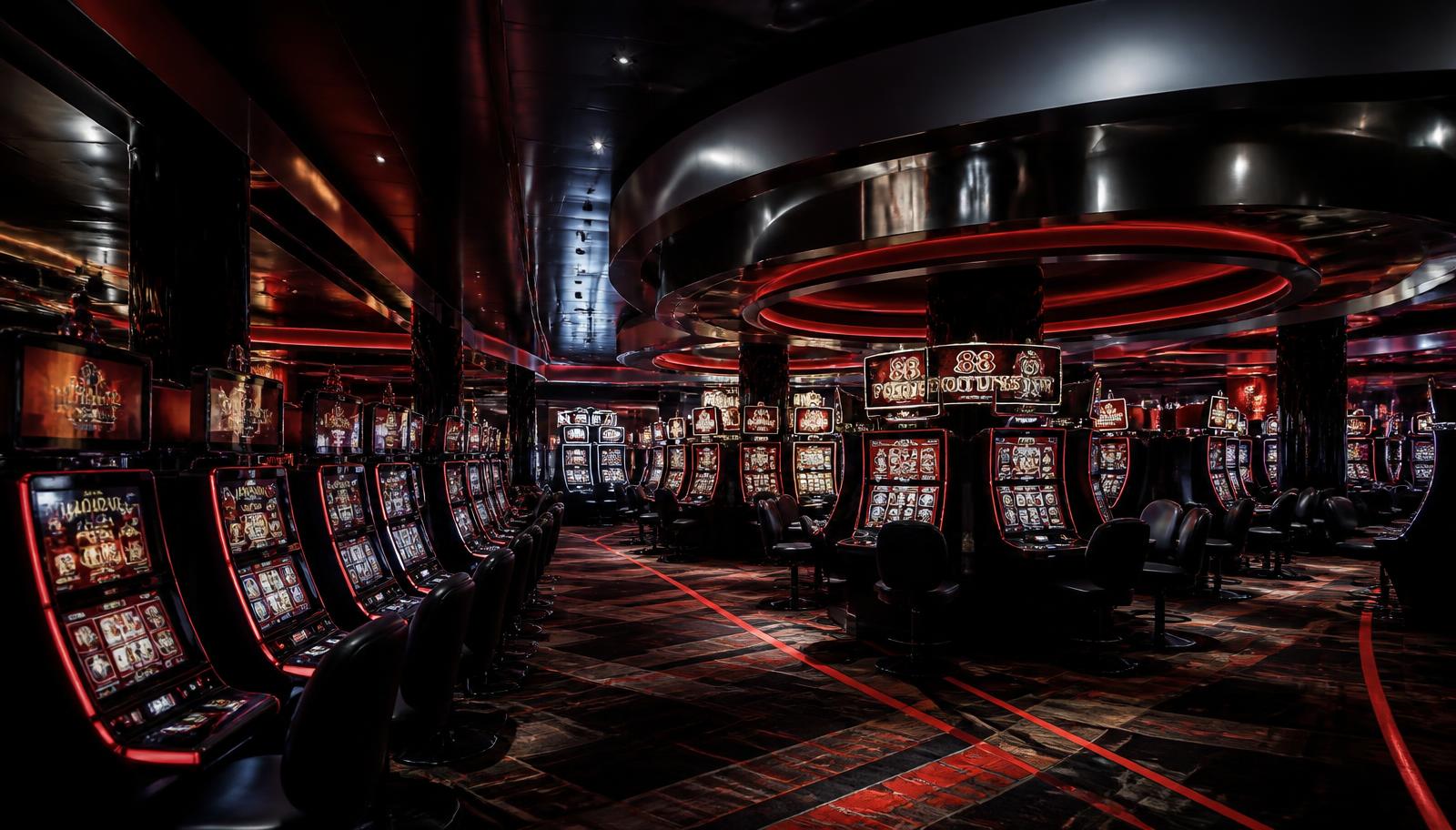
Across regulated markets from Brisbane to Macau, the physical casino floor is being re-planned around three pressures at once: tighter compliance obligations, higher expectations of hospitality space, and gaming systems that now behave like connected infrastructure rather than standalone cabinets.
By Marlowe Grant · Sydney · Global
- Refurbishment programmes increasingly treat floor systems, payments and monitoring as a single procurement package.
- Operators report shorter product cycles for cabinets, but longer approval timelines for connected systems.
- Non-gaming space continues to expand as a share of new integrated resort floor plans.
- Harm-minimisation features are moving from bolt-on modules to platform-level requirements.
From cabinet purchase to platform commitment
For most of the last two decades, a venue could refresh its gaming offer by rotating cabinets. That option is narrowing. When a machine ships with account-based play, player messaging, loyalty integration and monitoring hooks, the purchase decision reaches into systems the operator may have bought from a different supplier five years earlier.
Procurement teams describe the consequence plainly: fewer, larger decisions, made further ahead, with compliance sign-off built into the schedule rather than bolted on at commissioning.
Payments as floor architecture
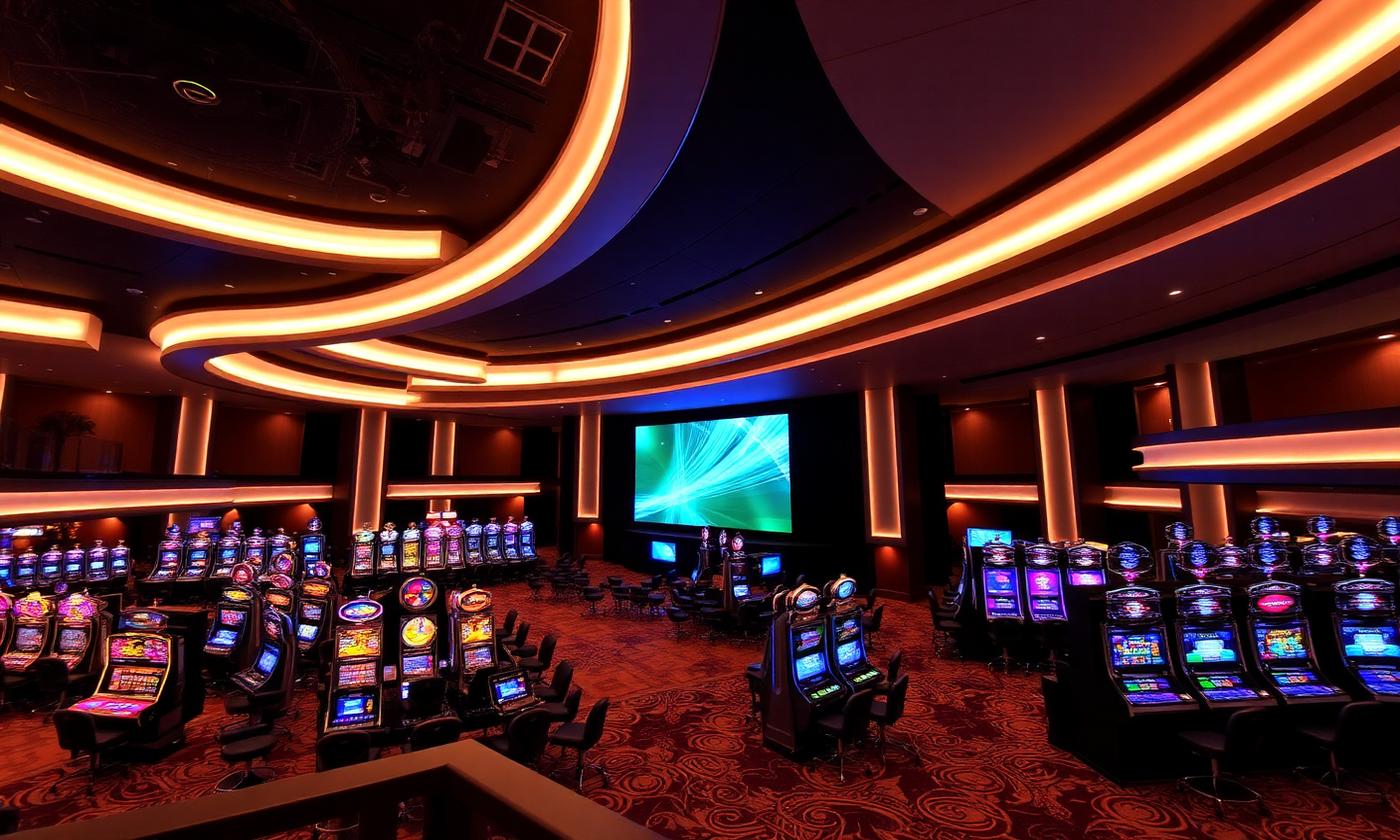
Cashless and card-based systems change more than the transaction. They alter where cash desks sit, how staff move, and which parts of a floor need queuing space at all. Several operators consulted for this briefing said the removal of note-acceptance queues had freed circulation area that was immediately reallocated to seating and food service.
The trade-off is technical debt. Payment rails must be certified, audited and monitored, and any change to the transaction path can trigger a fresh review by the relevant regulator.

Monitoring stops being a back-of-house concern
Surveillance suites once operated as a closed function. Newer deployments feed the same event data into compliance reporting, incident management and, in some jurisdictions, mandated harm-minimisation workflows. That widens the internal audience for the system and raises the standard for evidence quality.
Vendors we spoke to expect the practical differentiator over the next 24 months to be integration quality rather than raw feature count.
What to watch
Three signals are worth tracking through the rest of the year: the pace of cashless mandates in Australian states, approval timelines for connected systems in North American jurisdictions, and the volume of table-side electronic hardware shipped after the northern-hemisphere expo season.
“The floor is no longer a room full of machines. It is a regulated network with seating.”
 Equipment· GlobalAurex Gaming unveils Vantara curved cabinet for premium floor zonesThe illustrative manufacturer's new dual-screen cabinet targets premium banks, with a shallower footprint and a service door redesigned for faster on-floor maintenance.10 Aug 2026 6 min
 Technology· GlobalAI-assisted surveillance meets the evidence standard questionAutomated detection is now common in casino surveillance suites. The harder problem is what an automated alert is worth when a matter reaches a regulator.06 Aug 2026 8 min
 Technology· GlobalHarm-minimisation features move to platform levelPre-commitment, break prompts and self-exclusion enforcement are being engineered into core gaming platforms rather than added as venue-side modules.03 Aug 2026 7 min